
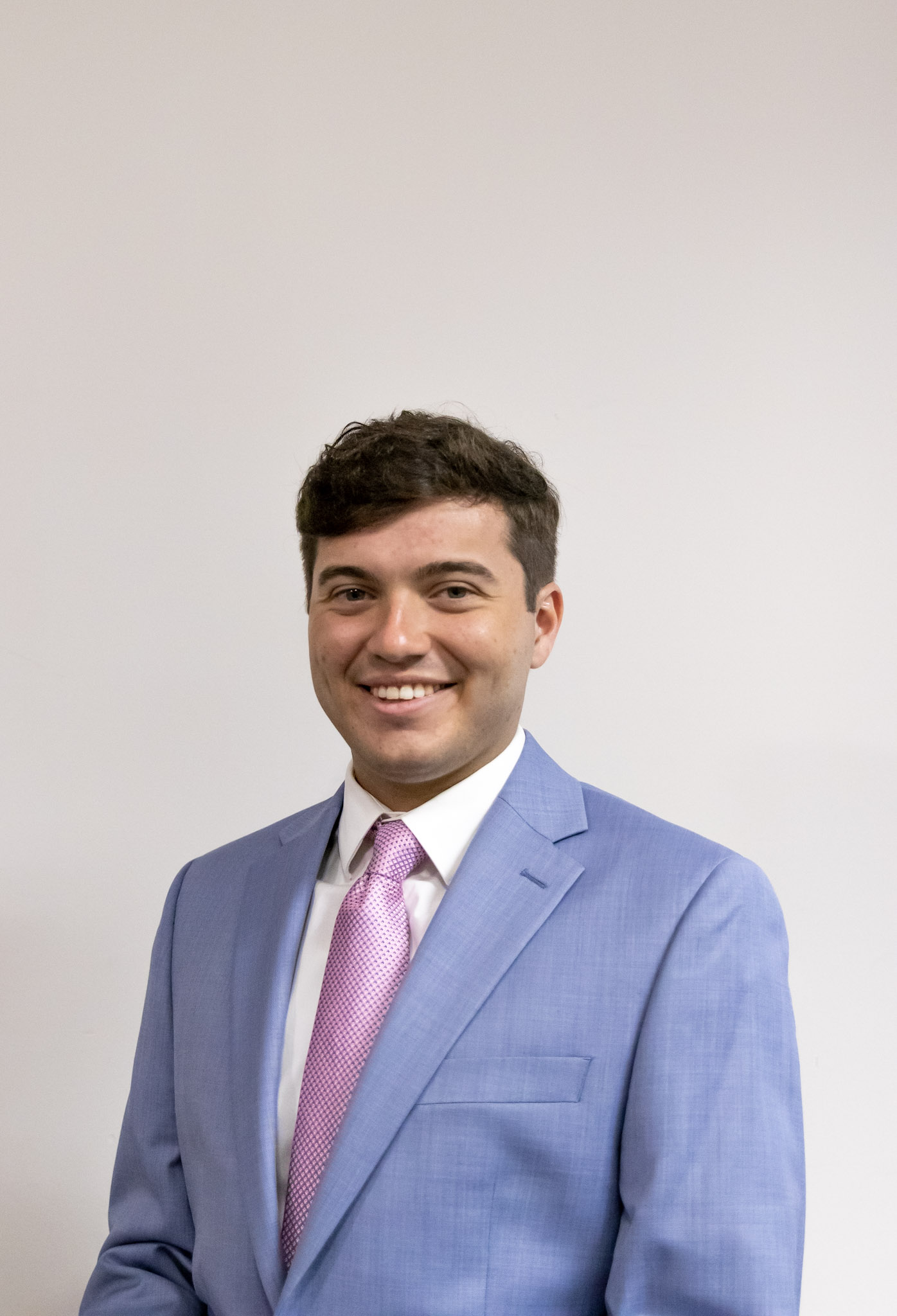
Ward 7 City Councilor Gerry Martin
Reminder Publishing file photo
SPRINGFIELD — A resolution by Ward 7 City Councilor Gerry Martin requiring councilors to attend meetings in person caused some fiery debate in the council chambers on May 18.
Martin broached the subject in a public letter to City Council President Tracye Whitfield on May 13.
In the letter, Martin wrote, “It is my firm belief that we were elected to represent our constituents by showing up — physically present — to do the work of the City Council.” His constituents find it “disrespectful and disappointing” to see councilors attend remotely. Further, he wrote, “Councilors participating remotely were not visible on screen, were difficult to hear or appeared to step away to attend to other responsibilities during official proceedings.”
Whitfield released a public response two days later in which she stated that she does not support mandated in-person meetings. She said councilors balance public service with “real-life obligations,” including family, work and health.
“I would rather maintain quorum and continue conducting the public’s business than delay important votes and agenda items because members are unable to physically attend a meeting on a particular evening,” Whitfield said. She left the door open to find a compromise.
At the council’s May 18 meeting, the resolution was put forward, co-sponsored by Ward 3 City Councilor Melvin Edwards, Ward 2 City Councilor Michael Fenton and Ward 8 City Councilor Zaida Govan. Martin stood to address the council and began the discussion by noting that it was the first time in five years that the entire council had attended a meeting in person. He said constituents have told him they find it disrespectful that councilors do not attend meetings in person. He made the case that if City Hall employees must physically come to work, the City Council should as well.
Ward 4 City Councilor Malo Brown stood, mirroring Martin’s gesture. Raising his voice, he said, “This is grandstanding and shame on it.” Brown said the council should follow the state’s guidelines, which have allowed hybrid meetings since the COVID-19-era restrictions on in-person gatherings. The current legislation on the matter allows for hybrid meetings until June 2027. “Being a city councilor is not showing up at 5 p.m. to vote on parking,” Brown said. He suggested the resolution go to committee.
Whitfield reminded Brown of council rules that require councilors to address each other through the chair, not call out their colleagues by name and treat one another with respect.
Later, addressing Brown, Martin said, “It’s good to see you,” referring to his colleague’s frequent use of remote participation, often with the camera off. Brown began to push back, but Whitfield admonished the councilors, saying, “We are not in kindergarten. We are not going to do this back-and-forth.”
Responding to Brown’s comment on state guidelines, Govan pointed out that the state gave municipalities the option to opt out of hybrid meetings. Constituents have mentioned their desire for in-person attendance to her as well, she said. She remarked that people cannot read body language as well through a camera, and not at all if a councilor has their camera off.
“This seat is a service,” Govan said. “We work for our constituents.”
“It is my firm belief that we were elected to represent our constituents by showing up — physically present — to do the work of the City Council.”
Ward 7 City Councilor Gerry Martin
Ward 1 City Councilor Maria Perez said health issues, including invisible ones, may keep councilors from appearing in person. She pointed out that she has severe asthma and there was an air-quality warning in effect. Springfield’s asthma rates have routinely ranked among the highest in the country. She, too, felt the resolution should go to committee.
So did At Large City Councilor Brian Santaniello, who took issue with language in the resolution that states exceptions may be made for medical emergency or serious illness, family emergency or extraordinary hardship, “as determined by the council president.” He said requiring councilors disclose medical issues to the president is a violation of the federal Health Insurance Portability and Accountability Act. HIPAA prohibits the access or disclosure of protected health information by health care providers, insurance plans, health care clearinghouses and their business associates without the patient’s permission.
Edwards refuted Santaniello’s HIPAA violation claim. He also rejected Brown’s assertion that Martin was grandstanding. He said that he, too, had heard from a constituent who was dismayed that councilors did not attend meetings physically. Edwards said that, apart from an accident several years ago that prevented him from attending meetings for five months, he makes the effort to come to meetings in person.
“If you’re going to run… you have a responsibility to show up,” Edwards said, adding that constituents expect it.
At Large City Councilor Kateri Walsh disagreed. She said some circumstances keep councilors away. But Ward 6 City Councilor Victor Davila, who walks with a cane, said, “All of you know that I have an injury, but I still manage to make it here.” That said, he found fault with some of the provisions of the resolution.
At Large City Councilor Jose Delgado recalled that when he first became a councilor two years ago, “there were occasions when the chamber was half-empty, which interfered with the city’s business. He said he would like people to come in person but did not feel it should be mandatory.
Sharing statistics, At Large City Councilor Justin Hurst said the in-person attendance rate across all councilors this year is 88%. Of the 16 remote participations that have occurred so far in 2026, 13 of them pertained to the same three councilors. He noted those three councilors were a senior, a woman and a person of color, three groups people he said may be discouraged from running for local office if their physical attendance was required. “We ought to be getting away from… restrictive” rules and “stop taking steps backward, embrace technology,” he said.
Delgado took the gavel so Whitfield could offer her opinion. While she thanked that council for a “healthy” conversation, she agreed with Hurst that the council rules should not discourage people from running for office. She also said she had only heard two people mention remote participation in her eight years on the council.
“Showing up is not showing up in this room,” Whitfield said, adding that it is about being present in the community.
Whitfield noted that she raised four children and taken care of her senior mother while on the committee, which at times kept her out of chambers. She also attended meetings remotely while caring for her dying father in another state. Whitfield urged her colleagues to stay home when ill, rather than come to City Hall for fear of missing a vote.
With a vote of 9-4, the resolution was sent to committee. Martin, Govan, Fenton and Edwards dissented.
