

Republican file photo
Republican file photo
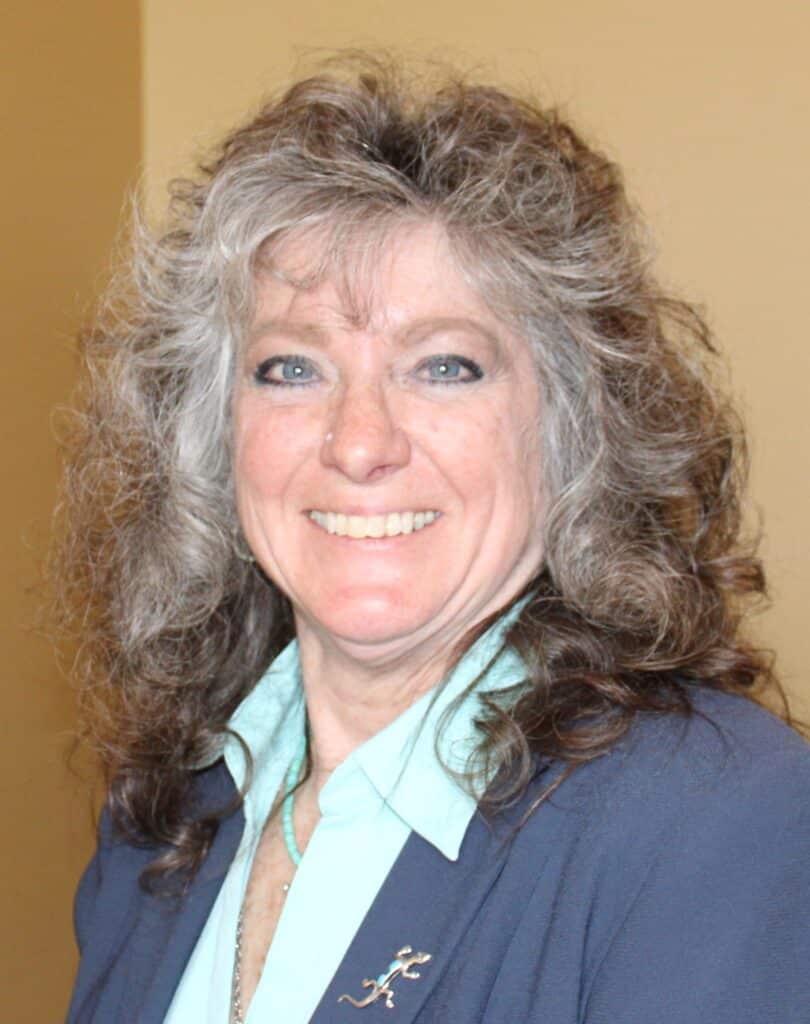
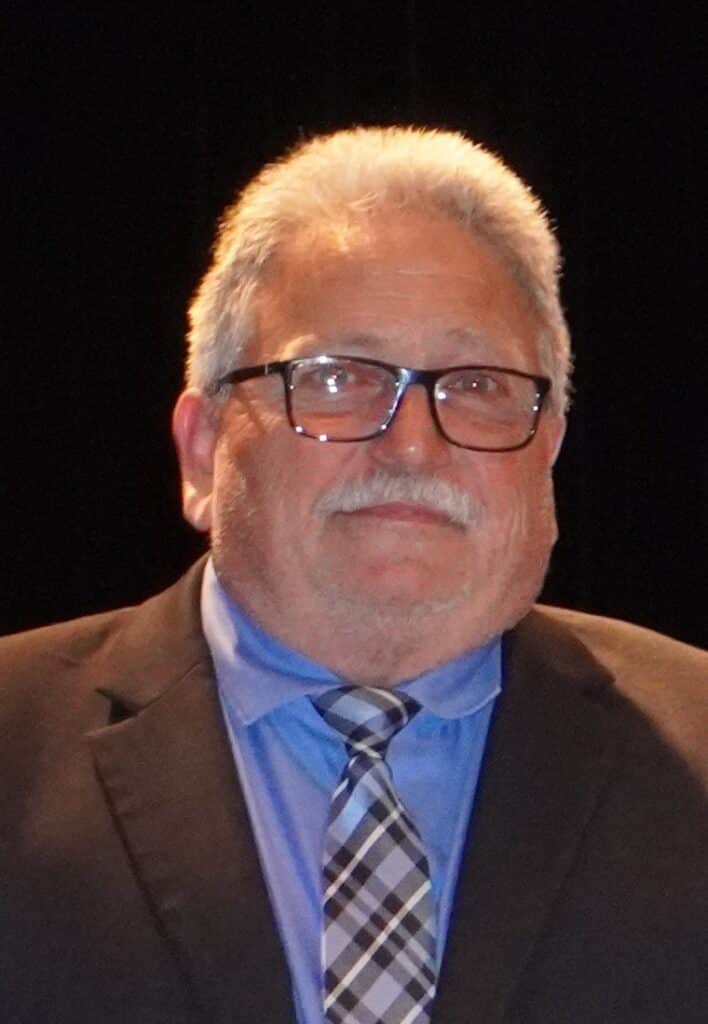
SOUTHWICK — Current Select Board member Diane Gale is running for a second three-year term on the board and is squaring off against former Select Board member Joseph Deedy. The election will be held on Tuesday, May 12.
Reminder Publishing asked both candidates the same questions. Here are the answers
Q. Why are you running?
Gale: When I first ran — and still today — I heard from too many neighbors who felt shut down or ignored by “the establishment.” It was accepted that you had to “know the right people.” My philosophy is simple: every concern matters, whether it’s an individual issue or a community-wide vision. A prime example is the Southwick Master Plan; despite thousands of hours of community input, it has been dismissed by some long-term officials as fantasy. To the contrary, I believe the Select Board’s role is not to filter those visions through our own personal or political desires. Our job is to hear, understand and work toward the goals of the people. I am committed to ensuring every voice is heard, regardless of party affiliation, family name, or whether you have deep roots or are new to our town.
Deedy: I’m running because I care deeply about Southwick and believe our town deserves steady, common-sense leadership that puts residents first. We need to restore trust in local government, improve communication, and make sure taxpayer dollars are being spent wisely and responsibly.
Southwick is a strong community with hardworking people, proud neighborhoods, and a lot of potential. But many residents feel unheard and frustrated. I’m running to bring a practical voice to the Select Board, someone who listens, asks tough questions, and focuses on solutions instead of politics.
My goal is simple: protect the character of our town, strengthen services, plan responsibly for the future, and make sure Town Hall works for the people again.
Q: Is there any action or decision the current Select Board has recently made that you would have done differently?
Deedy: Like any board, decisions are made with good intentions, but I believe some things should be handled differently. One concern I hear often from residents is that public meetings have become shorter, agendas lighter, and meaningful discussion seems to happen outside the public view rather than at the meeting table, where residents can hear it.
Town government works best as a team, and when people can see the process, not just the final vote. Public meetings should be a place for discussion, questions, updates and accountability. For example, regular reports from town leadership about ongoing projects, challenges, and weekly progress help keep residents informed and build trust.
I believe we need to bring more transparency back to the forefront. Residents deserve open communication, clear explanations, and confidence that decisions are being made in the public’s interest. If elected, I would work to make meetings more informative, more transparent, and more respectful of the people we serve.
Gale: Early in my term, I introduced a five-year trend analysis that identified COVID-inflated carryovers heading into fiscal year 2025. It was extremely frustrating to be outvoted by my peers on the Select Board when I recommended expense reductions based on the data. It took persistence and another year of undeniable data to finally get a good amount of those reductions approved for fiscal year 2026.
I disagree with the Finance Committee’s practice to annually micromanage departmental budgeted line items. Instead, after this reset last year, I supported our chief administrative officer working directly with departments to find sustainable cuts — those that they have to live with and function under. Many remain married to the methods and formats employed for decades in the budget development process — a once-a-year task, without regular, onging monitoring or forecasting. Going forward, I would like to continue advancing these objectives, creating hybrid tools that will bridge the old, comfortable ways and transition to updated, multi-year models. These tools will ensure that both the town and school budgets are reviewed as a collaborative, rolling forecast rather than two isolated tasks each year.
The small changes implemented this year did not eliminate or reduce the intensive scrutiny that the budget demands, but did result in departmental ownership of a more fine-tuned budget. Despite this, these improvements were met with challenges and interference that created unnecessary confusion, delayed productivity, and interrupted lines of communication.
Q: Do you support the meals tax? Be specific as to the reasons for or against.
Gale: I do not “support” new taxes, but I believe it is my duty to bring the community’s questions forward. I don’t believe in “squashing” ideas just because a few people in power don’t like them. Many residents ask why surrounding towns benefit from meals tax revenue for road repairs while Southwick does not; it is up to the voters, not the board, to decide that. It’s your money, so it should be your decision.
Deedy: I do not support adopting a meals tax … even though some are for it is just the wrong time to do it. While some may describe it as a small amount on a single purchase, those costs add up for working families, seniors, and anyone already feeling the pressure of higher everyday expenses. Before asking residents and visitors to pay more, the town should first focus on controlling the costs already within its own budget. Tax increases should not be the first answer when better management may be the smarter one.
Q. It’s no secret that the annual assessment from the Southwick-Tolland-Granville Regional School District, which has increased from 39% in fiscal 2024 to the proposed 47% in fiscal 2027 as a portion of the town’s total operating budget, has forced the town to make increasingly difficult decisions regarding funding its general government operation. At joint meetings between the Finance Committee and Select Board, it’s been said that fiscal 2028 could be the year the assessment forces more drastic measures like asking Town Meeting for a Proposition 2½ override, or cutting essential services for town government, or urging the regional school committee to start cutting non-essential education funding like sports, band, etc. Outside of significant financial support from the state, what do you see as a long-term solution?
Deedy: The long-term solution starts with being honest about where we are. Costs keep rising, whether it is minimum local contribution, insurance, special education or everyday operations. If those trends continue, it becomes harder and harder to balance a budget without eventually talking about a Proposition 2.5 override. Pretending otherwise does not help anyone.
First, taxpayers deserve clear information early. People can handle tough news when they are treated like adults. We should be explaining the challenges now, not waiting until the last minute and forcing rushed decisions. An informed community makes better choices.
Second, town leaders, finance leaders, and the School Committee need to keep working together and reviewing budgets every year for any efficiencies or savings that can be found. That means town side and school side alike. Nobody should be above scrutiny, and nobody should be carrying the blame alone.
Third, we have to keep pushing for fairer state aid, especially rural aid. Our representative has been raising the issue, but too often these proposals do not get the support they need when it comes time to vote. That is frustrating, but it means we keep fighting, keep building alliances with similar communities and keep making the case.
Fourth, we need to remember what makes our district strong. Families choose to come here, and many students stay here because of the quality of education and opportunities available. We should be careful about treating programs like sports, band, and activities as easy targets. Those programs are part of why families choose this district.
At the end of the day, the answer is balance. Protect taxpayers, protect essential town services, maintain a strong school system, and be honest about the numbers. If we start now, we have a better chance of solving this together instead of being backed into a corner later.
Gale: The regional school is not alone in suffering the effects of outdated state funding formulas and uncontrollable fixed costs like fuel, utilities, and insurance. These are the same drivers affecting our town budget, and I view them as a unified challenge.
While our town employees work to find efficiencies every day, we cannot solve these shortfalls through administrative tweaks alone. The town and the district must work together to seriously explore the regionalization of services wherever practical. As enrollment continues to decline, the district must also face the difficult reality of consolidating classes and potentially eliminating “non-essential” activities, a challenge many neighboring communities are already confronting.
The fiscal forecasting I have advocated for will help identify “trigger points,” allowing us to adapt preemptively rather than reactively.
However, the most critical long-term solution is stronger advocacy. We must demand that the Legislature correct decades-old funding formulas and acknowledge the unique challenges facing Western Massachusetts rural communities. While our chief administrative officer, Nicole Parker, and the district already do a great job with advocacy, I believe the Select Board should join them more vocally and frequently to ensure Southwick’s voice is heard in Boston.
Q. There seems to be a perception in town the transfer station isn’t being run as efficiently as possible. Do you agree with the perception or do you think there are steps that could be taken to make it more efficient.
Gale: I believe many of these perceptions are rooted in direct observations by our residents. While some observed actions may fall under “allowable uses,” there are clearly a number of abuses occurring. I have been told directly by some individuals how they use the transfer station, often in ways that do not align with the posted rules. There is a common misconception that the cost of a sticker covers the entire operation and justifies any type of disposal — legal or illegal.
We are exploring low-cost Radio Frequency (RF) readers — similar to E-ZPass — to monitor entry and use existing cameras for actual enforcement.
Additionally, a resident recently suggested implementing a “commercial” rate for different types of entities, which would see them pay a higher rate for disposals than residents. I believe this is a suggestion that should be fully explored. Our goal must be to ensure the facility is used fairly and that the residents aren’t subsidizing private enterprise.
Deedy: I think if you look at anything in town, there is always room for improvement, and the transfer station is no different. That does not mean it is being poorly run. It means every department should always be looking for ways to operate smarter and more efficiently new technology should also play a role in this.
The transfer station has done a solid job with the resources it has had.
That said, I do think there are practical steps we can explore. The sticker process is one example. There may be ways to improve convenience, hours, or how stickers are handled, but some of that would require discussions through the proper channels and negotiations where needed.
My approach would be simple: review operations honestly, talk with the people who do the job every day, listen to residents, and make common-sense improvements where they help. Not every issue needs a dramatic overhaul. Sometimes it just needs better communication and guidance from all involved.
Q. Do you support authorizing a bond of between $20 million and $40 million to repair the town’s roads?
Deedy: I do support the idea of bonding for roads, because the reality is we are not going to “pay as we go” our way out of this backlog. We’ve seen it already. We chip away at sections of road, and then when we finally get to a stretch that really needs full reconstruction, the cost jumps quickly and eats up whatever we had planned for other projects.
Right now, borrowing smaller amounts like we’ve done on top of Chapter 90 funding still comes with real cost. Roughly speaking, a million dollars borrowed ends up costing around $140,000 a year when you factor in principal and interest. That adds up fast, and over time it still comes out of the same taxpayer base.
So yes, I understand the argument for a larger, planned bond in the $20 million range, because it would allow us to actually address roads in a meaningful, organized way instead of constantly reacting year to year. That said, the hard truth is the math doesn’t disappear. Whether it’s spread over a bond or handled through annual budgets, it is still a commitment the town has to absorb.
That’s the part we have to be honest about. If we move forward with something like this, it has to come with a clear plan: what roads get done, what the timeline is, and how it fits into the overall tax picture without creating surprises later.
So I support the concept, but I also think it has to be paired with discipline elsewhere in the budget and full transparency to taxpayers about what it means long term.
Gale: It depends on what the data tells us. We just finished an AI-assisted road study, and we need to see if those results align with our DPW’s manual assessments. Once we have a clear, long-term work schedule and incorporate the costing model, we have to do the math: is it cheaper to bond the money now, or pay as we go, allowing for inflation? I am not in favor or a “blank check” without a data-backed, multi-year plan that proves bonding is the cheapest way to get the work done. I will support whichever path is the most cost-effective for our taxpayers.
Q. What is the biggest challenge facing the town right now?
Gale: Affordability. Rising property values doesn’t equal cash in the pockets of our residents. We also have a housing gap. A lack of entry-level homes makes it difficult for young families to move here, which directly contributes to declining school enrollment, stressing the district budget.
We face an internal conflict: residents understandably want lower taxes but are hesitant to accept small business and low-impact industry. Balancing our rural character desires with fiscal reality is a difficult job.
We’ve reached the point where local belt-tightening isn’t enough. We need to get those formulas from Boston corrected so we can get our own tax money back to maintain our services and fix our roads without constantly asking our residents to dig deeper into their own pockets.
Deedy: The biggest challenge facing the town right now is funding stability, especially what we’re getting back from the state.
Year after year, the pressure increases on the local side while state aid doesn’t keep pace with the real costs we’re carrying. Schools, insurance, special education, and basic town operations keep going up, and the local taxpayer ends up absorbing more of it. We’re not alone in this most communities in Massachusetts are dealing with the same squeeze but that doesn’t make it any easier.
At the same time, our population hasn’t really grown, but the complexity and cost of what we’re responsible for has. That gap is where the strain shows up. It forces harder conversations about priorities and sometimes about slowing down or pausing certain things we’d like to do.
There are no easy answers here, and pretending there are just sets people up for frustration later. The only real path forward is facing it together town, schools, and residents being honest about the numbers, and making decisions based on what we can realistically sustain, keeping the quality of life that the people of Southwick want and expect is most important.
Q: Is the town headed in the right direction?
Deedy: I think the honest answer is yes … but not because everything is easy, and not because every problem is solved. It’s because people are still engaged, still working through tough issues, and still willing to have the hard conversations instead of avoiding them.
We are dealing with real pressures right now budget constraints, rising costs, state funding that doesn’t always keep pace, and infrastructure that needs attention. None of that is simple. But the direction a town goes isn’t defined by whether things are easy in the moment. It’s defined by whether people keep showing up and doing the work.
To me, it’s a bit like not always seeing the full path ahead clearly, but still being responsible for taking the next right step in front of you. You don’t need every answer at once you just need enough honesty and teamwork to keep moving forward in a way that makes sense for the community.
Gale: I believe the town’s eyes are open, and the challenges of our future are being recognized. However, to be headed in the right direction, we must be willing to adapt our “old ways” to stay clear of the edge.
Change is never easy, and often uncomfortable, but it is necessary. We are at a turning point where we must choose between the comfort of past habits and the data-driven, forward-thinking leadership required. I am confident that we are making that turn, but we must stay the course.
Q: What other issues do you believe the town is facing, and what would be your solutions?
Gale: As previously mentioned, Southwick faces a lack of “low-impact” business growth and a shortage of suitable locations for it. I support the Planning Board’s current comprehensive review of our zoning bylaws. A modernized zoning code will encourage smart business development and hopefully update residential requirements to allow for a greater variety of home types. This transition to denser, more cost-effective street infrastructure is vital for our long-term fiscal health. By refining our land-use policies, we can grow our tax base while preserving the rural character that makes Southwick home.
I am not here to serve a party or a particular circle, but to serve the entire community of Southwick. I care deeply about the concerns that are brought to our doors, and I promise to continue approaching every decision with an open mind, a fair assessment, and a commitment to viable solutions.
Deedy: There are a few issues I think the town is dealing with right now, and they’re all connected.
First is trust and communication. I do think there’s a feeling in town that things aren’t always communicated clearly, and when that happens, people fill in the gaps themselves. That’s not healthy for anyone — town hall, employees, or residents. If people don’t feel informed or heard, it creates frustration on all sides. Rebuilding that trust has to be a priority. Not with slogans, but with straightforward communication and consistency.
Second is internal morale and structure. I’ve heard and seen the same concerns, that employees sometimes feel guarded or unsure where they stand. Whether that perception is fully accurate or not, perception matters in a small town. People need to feel supported so they can do their jobs well without unnecessary tension. That comes from leadership, clarity, and respect going both ways. We need to start working as a team.
Third is growth, or really the lack of balanced growth. We’re not a farming-only town anymore, and we’re not a fully developed suburb either. We’re somewhere in between. That means we have to be careful and selective. Smart growth, not anything aggressive, but growth that actually helps stabilize the tax base so the same pressure isn’t always falling on homeowners. At the same time, we do have to be willing to say no when something doesn’t make sense long-term. That’s not negativity, that’s responsibility.
And underneath all of the budget reality, we’re a town of about 9,500 people with housing needs that are greater than they’ve ever been before. At the end of the day, young families are finding it harder to afford to live in Southwick, and that’s something we have to be honest about if we want to plan for the future.
So the solution isn’t one single fix. It’s rebuilding trust through better communication, supporting employees so they can do their jobs effectively, being honest about what growth we want and can sustain, and making financial decisions based on what the town can actually afford — not what we wish it could afford.
If there’s a theme to all of it, it’s this: this only works if it’s all of us working with the same facts and the same direction, not pulling in different ones. Community first.

You must be logged in to post a comment.