
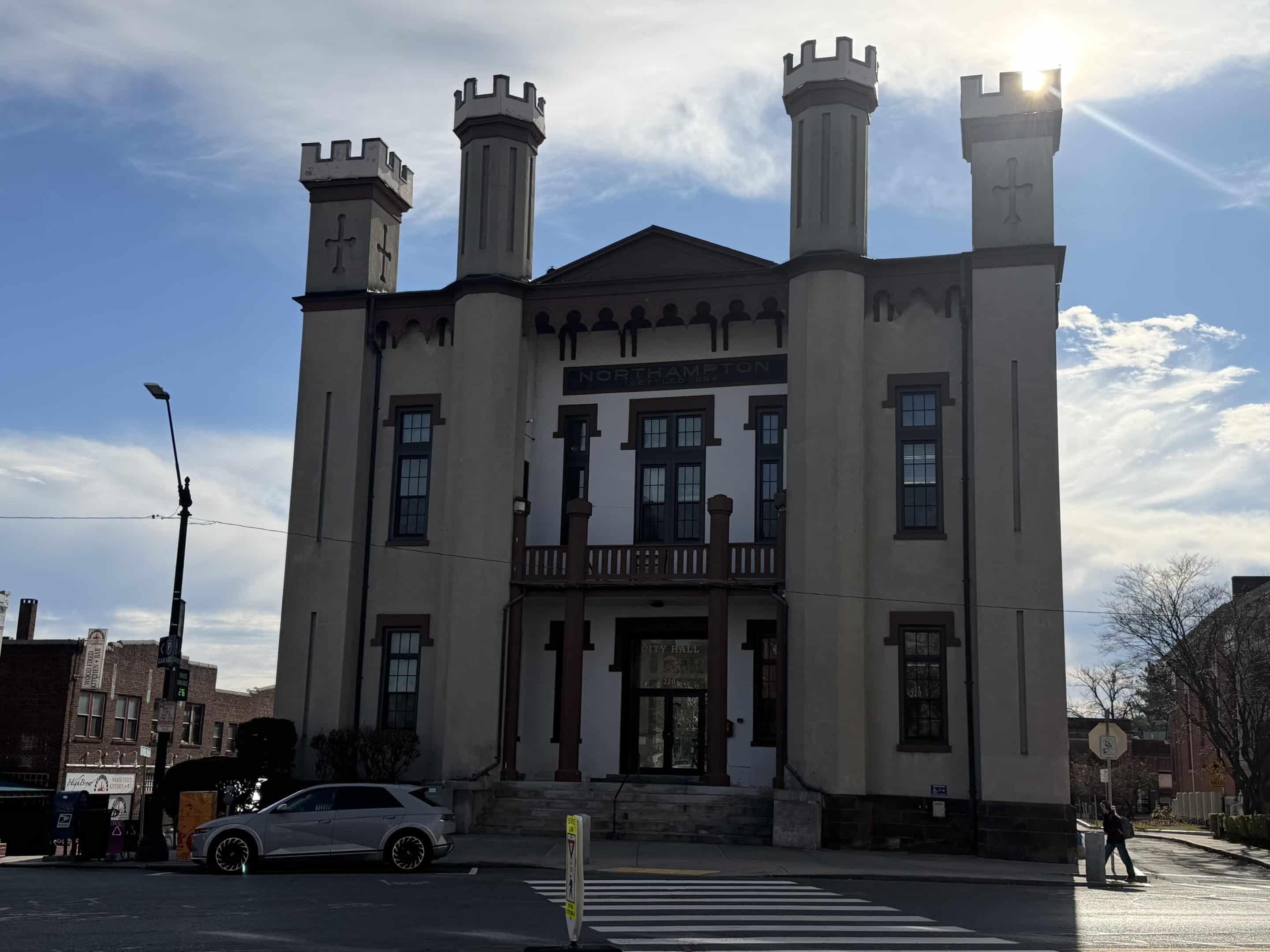
NORTHAMPTON — The first round of awards from the city’s Opioid Settlement Fund mini-grants program have been announced, bringing more than half of the $120,000 committed to the program to six proposals spanning the continuum of care.
Announced back in the spring, the mini grants program makes opioid settlement funding available to local organizations and community-based initiatives serving those directly impacted by opioid use and addiction. While supporting innovation and flexibility, the funding opportunity sought to support community-based efforts that prevent opioid misuse, reduce overdose risk, expand access to treatment, and support recovery for residents of Northampton, as well as those who receive services in the city.
“This program was created with the goal of making opioid settlement dollars more accessible to local organizations that are working directly with people and families impacted by opioid use and addiction, and these initial awards demonstrate what that can look like in practice,” said Director of Prevention for the Department of Health and Human Services Taylor McDonough.
McDonough told Reminder Publishing it was a goal for the DHHS to allocate the settlement funding across organizations and initiatives spanning the continuum of care — harm reduction, prevention, treatment and recovery.
“We’re especially excited that the six proposals funded so far represent such a broad range of services — from harm reduction and overdose prevention to treatment, housing, maternal and child health, food security and recovery support,” McDonough added. “These organizations are doing important work in our community every day, and the settlement funding gives us an opportunity to strengthen and expand that work.”
This round of funding will go to support the work of:
- HRH413, a local grassroots harm reduction organization, bolstering direct outreach initiatives and low threshold housing navigation.
- Health Care Resource Centers Northampton, a local opioid treatment provider aiming to enhance medication access and improve patient privacy and dignity.
- Independent Housing Solutions, a non-profit dedicated to building a clean, safe and affordable housing for chronically homeless individuals with complex medical needs.
- New Beginnings, an initiative of Cooley Dickinson Hospital, providing an enhanced model of care to improve maternal and child outcomes for pregnant and postpartum individuals experiencing substance use disorder.
- Northampton Survival Center, in partnership with the Northampton Recovery Center, to address opioid-related challenges in Northampton through food security, in addition to overdose prevention and peer-centered community engagement.
- Tapestry Health, supporting a Northampton-based peer harm reduction education and distribution project.
These investments are part of Northampton DHHS’s broader Opioid Settlement Funds approach to addressing immediate overdose risks while strengthening community-based systems that support health, stability and wellbeing.
McDonough explained that one of the strengths of this funding opportunity was that DHHS intentionally designed it to support a continuum of care rather than focusing on just one point of intervention. She added that with substance use and addiction affecting people in different ways and at different stages, the city’s response needed to include prevention, harm reduction, treatment and recovery.
McDonough said a big focus in achieving the right response through these initiatives was to have them align with the priorities and needs that have been shared from those directly impacted. She explained that last year in a shared effort between the Hampshire HOPE Coalition and Tapestry Health, over 120 individuals with lived and living experience of substance use and recovery were interviewed to learn more about strengths and barriers in the community.
“This direct community input was vital to making sure the city’s dollars support areas that have been identified as highest priority. Among those top themes: protecting access to harm reduction tools, support for pregnant individuals and new parents navigating substance use and recovery, bolstering peer outreach and addressing stigma, including concerns around privacy and personal rights, in medical treatment settings,” McDonough said.
This round of funding — more than half of the allocated $120,000 — has now been distributed across the six proposals representing those different areas of care as informed by the priorities identified through the community input.
“That includes direct harm, reduction and outreach, improving access to medication treatment, housing for people experiencing chronic homelessness and complex medical needs, support for pregnant and postpartum individuals, food security and peer engagement, and community-based harm reduction education,” McDonough added. “Spreading the funding across the continuum allows us to address multiple needs at the same time and recognizes that there is no single solution to the opioid crisis. It also allows us to invest in organizations that have established relationships with the people most affected and understand what their communities need.”
DHHS continues to welcome applications from eligible organizations. Remaining mini grant funds are available to additional applicants on a rolling basis, while funding remains available. Full program details and application materials are available at northamptonma.gov/2736/Opioid-Settlement-Fund-Mini-Grants. For questions or technical assistance, McDonough can be contacted at tmcdonough@northamptonma.gov.
“We also want this to be an accessible process. There are still funds available, and applications will continue to be accepted on a rolling basis while funding remains available. We encourage organizations with innovative, community-based ideas to learn more about the opportunity and reach out to DHHS if they have any questions regarding the application,” McDonough said.
McDonough added the mini-grant model also gives the city flexibility to respond to needs that may not always fit neatly into traditional funding structures. By supporting grassroots organizations, nonprofits and community partnerships, DHHS can invest in a wide range of approaches while keeping the focus on improving outcomes for Northampton residents and people who receive services in the city.
“It’s an important opportunity for the city to make sure these settlement dollars are reaching the community in meaningful and tangible ways,” said McDonough. “The organizations receiving funding are already doing this work and have direct connections to the people and communities we’re trying to support. At the heart of this funding is directly addressing the harms that were done to community members. These agencies are well-poised to serve the participants and community members they work with on a daily basis.”