
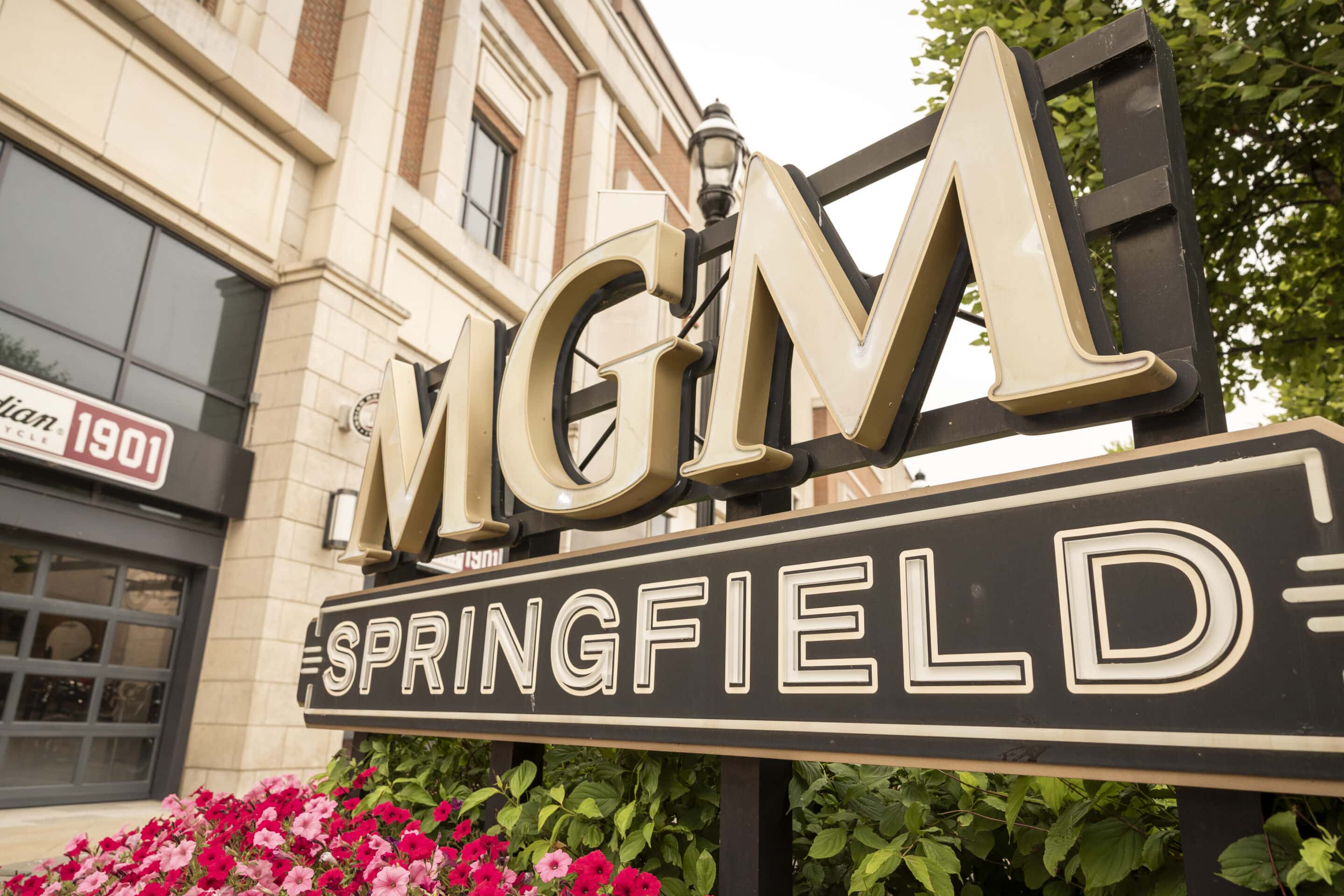
The MGM Springfield casino in July.
Republican file photo
SPRINGFIELD — MGM Springfield has operated its casino in the heart of downtown since 2018, but just over seven years later, the relationship has become so strained that the city has filed a lawsuit to address its grievances.
In a Sept. 3 press release on the matter, Mayor Sarno stated, “My team and I have been negotiating for nearly [two] years with MGM about their non-compliance issues with our Host Community Agreement. Unfortunately, we have not reached an agreement, therefore in the best interests of the citizens of Springfield, I have directed our City Solicitor Stephen Buoniconti to commence legal action in hopes of resolving this very serious matter. The people of Springfield deserve nothing less.”
In an email to Reminder Publishing, Buoniconti said, “The City’s demand for relief — what we are asking for — is compliance with the host community agreement between the city and MGM, notably increasing the employment numbers to 3000,” Buoniconti said, noting there are 1650 full-time-equivalent employees now, “increase the number of table games and slots, and refurbish 101 State St., scaffolding and jersey barriers removal included. The lawsuit is a contractual dispute, and the remedy sought is for MGM to live up to the terms of the agreement.” If the court finds in favor of the city and MGM refuses to abide by the contractual obligations, Buoniconti said the repercussions could include “punitive measures,” such as attorneys’ fees, fines and a “financial award to the city.”
MGM Springfield’s parent company, MGM Resorts International, released a statement in response to the lawsuit. It said the company has been working to sell the MGM Springfield since 2024 and has attempted “good faith discussions” to allow the city to “review the requested transfer and render a decision.” MGM Resorts said Sarno’s administration was given information on the buyer and the plans for the property, as well as assurances that the buyer will adhere to the Host Community Agreement. It also provided the options for the redevelopment of 101 State St. “which far exceeded MGM’s obligations with respect to that building.”
According to MGM Resorts, “The Mayor and the city expressed a preference for an option to convert 101 State St. into a hotel that would create jobs and tax revenue. Despite this being the most expensive option discussed, MGM and [the] buyer agreed to this, but the mayor and the city continued to avoid moving the discussion forward. It became clear that the mayor and the city were not acting in good faith and the objective was to delay.”
MGM Resorts claimed the purpose of the lawsuit was to “delay and obstruct” the sale.
The Massachusetts Gaming Commission, which oversees casinos in the state, is aware of the suit. The commission’s chief of communications, Thomas Mills, said via email, “Host community agreements are agreements between the host community and the property … The MGC will monitor the situation but cannot comment on litigation between a licensee and the city at this time.”
