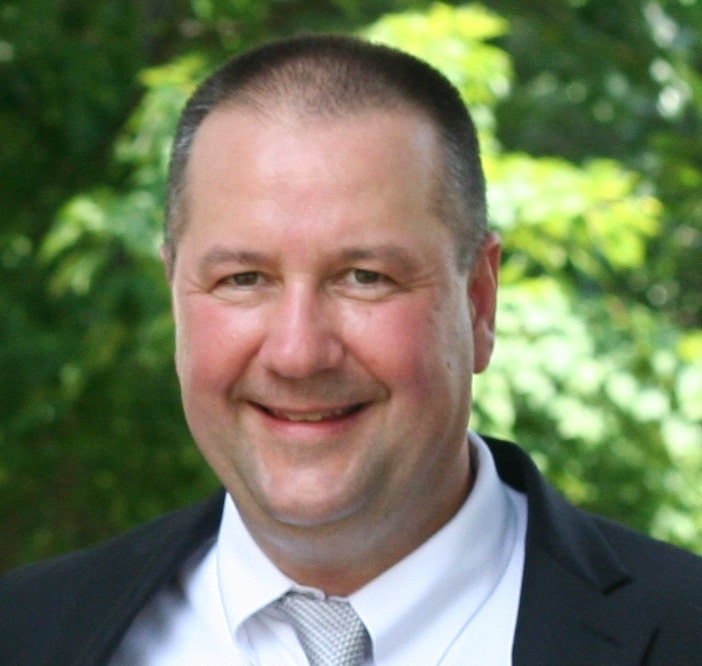
Westfield City Council President WIlliam J. Onyski.
Reminder Publishing file photo
WESTFIELD — The City Council approved a resolution at its Sept. 17 meeting authorizing the mayor to enter into an intermunicipal agreement for a public health shared service program with East Longmeadow, Agawam and West Springfield.
In a letter detailing the agreement, Westfield Public Health Director Debra Mulvenna said Westfield would join the Common Ground Health Collaborative to expand local public health capacity and improve regional health outcomes.
The collaborative is funded at no initial cost to the towns by a Public Health Excellence state grant of $300,000, with East Longmeadow serving as the administrator. Key highlights of the agreement include the preservation of the local autonomy of the boards of health, shared services and resources, and an equal voice on the advisory board, according to the letter.
East Longmeadow will hire a shared services coordinator to perform administrative functions for the grant. The town will also retain up to 15% administrative costs and keep records of all funding and expenditures to report to the board.
The advisory board may authorize disbursement of funds for any shared contractor, salaries or wages consistent with the agreement. An employee providing services will be deemed an employee of their respective municipality, and not a collaborative employee of any other municipality.
Each municipality will assist in collecting data on public health outcomes and services related to the shared services program.
After the three-year grant is expended, if not renewed, each municipality will revisit the agreement to determine whether to allocate municipal funds to continue participation. There is no cost to participating municipalities until grant funds are expended.
While presenting the agreement to the City Council, William Onyski, chair of the Legislative & Ordinance Committee, said there are already 51 shared public health collaboratives in the state, and only a handful of cities and towns are not part of a collaborative.
“What this does is allow the member cities and towns to have monthly meetings. It’s set up where each town has a vote. It gives a collaborative priority for training within the state,” Onyski said, adding, “Mainly, we’re looking at things like inspections.”
Onyski said inspections are available for myriad locations, including restaurants, where Westfield has an inspector. He said there are also inspections required for garbage haulers, which he didn’t know about.
“So this sort of opens it up so that the group can learn more and get training from the state. This is a state grant that covers this. It’s focused on what’s required by this area, which is why these cities and towns are all part of it,” he said.
Onyski gave the example of apartment inspections. “Say there’s not an expert in inspecting apartments. A shared inspector could inspect apartments for all these cities and towns,” he said, adding that the Health Department and the Board of Health still maintain their independence. “It’s just really a help for all of these cities and towns. And it’s covered by a $300,000 grant with no match.”
Onyski said the city would sign a 25-year agreement, but could opt out without penalty, with three months’ notice, or if the grant funding ends. “If the grant funding ends, we also have the option of staying in, but that’s likely not going to happen,” he said.
“The unions are okay with this because we were adding an inspector, a shared inspector. One of my concerns was that we’d be taking a job away from someone in Westfield, but in the package here, there’s a letter from the union saying that this is acceptable for them. So again, it makes this group eligible for $300,000 in grants to cover these costs,” Onyski added before the unanimous vote to approve the resolution.