
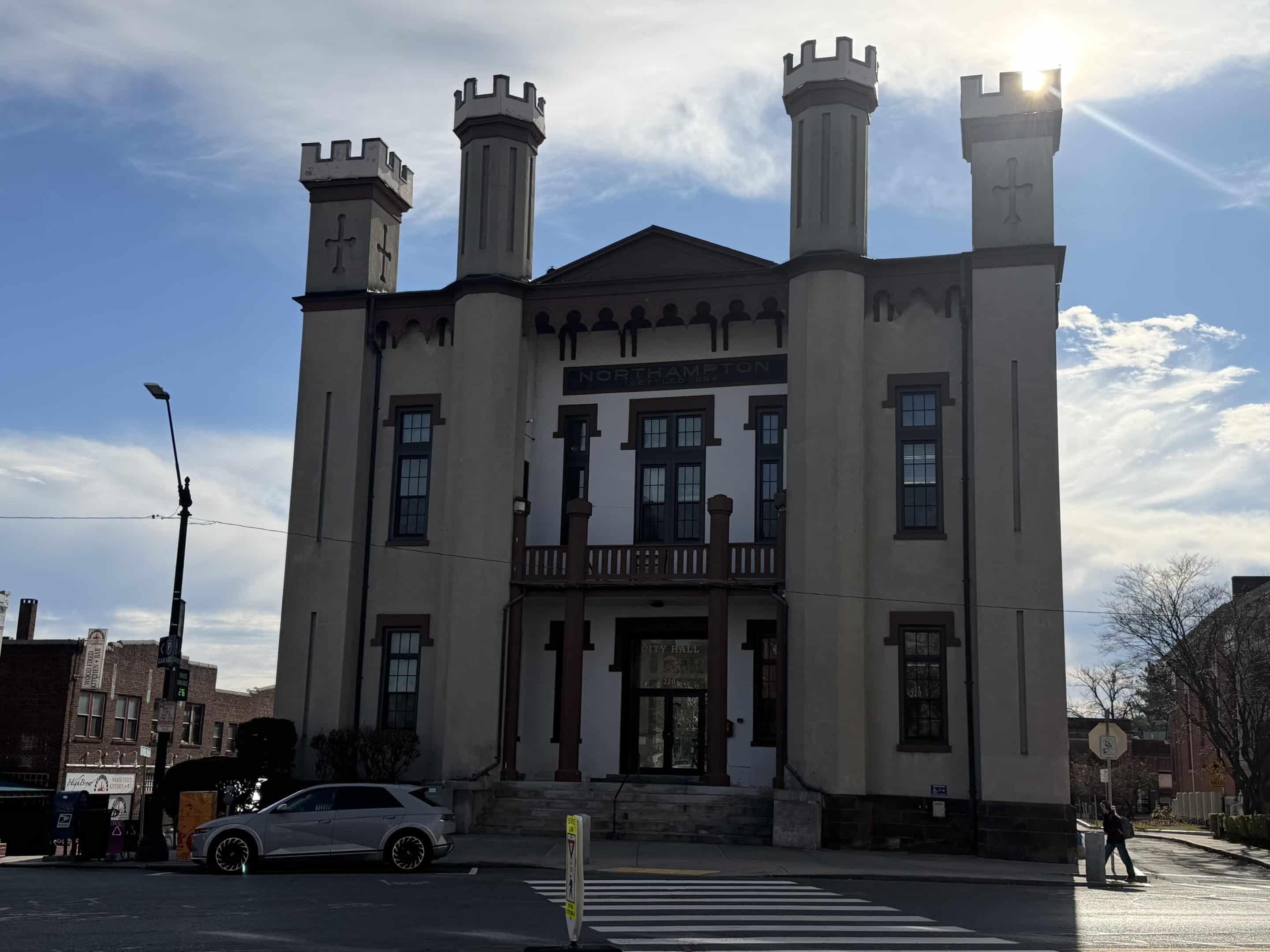
NORTHAMPTON — In an effort to provide the community with accessible tobacco and nicotine cessation resources, the Northampton Department of Health and Human Services will host “Kicking Nicotine,” a free six-week support group for individuals interested in quitting the two substances.
The group will meet every Tuesday, 6-7 p.m., from Sept. 15 to Oct. 20 at the Lilly Library Community Room in Florence.
DHHS Health Commissioner Merridith O’Leary told Reminder Publishing that while the city has made significant progress in reducing tobacco use — like in its adoption of the Nicotine-Free Generation policy this summer — nicotine addiction remains a significant public health concern. The NFG policy bans the sale of tobacco and nicotine products, including vapes and e-cigarettes, to anyone born on or after July, 1, 2005.
The Kicking Nicotine program was designed for individuals who are considering quitting, actively working toward quitting or seeking support to maintain their progress. O’Leary added that the support, information and practical strategies can make all the difference to someone who’s trying to quit.
“This program provides an important resource for people who may be thinking about quitting but aren’t sure where to start, as well as those who have tried to quit before and would benefit from additional support,” O’Leary said. “The timing also complements our broader work around nicotine prevention and the Nicotine-Free Generation policy. Prevention and cessation go hand-in-hand: while NFG focuses on preventing future generations from becoming addicted, this program supports people who are already using nicotine and are ready to take the first step toward quitting.”
Over the six weeks, participants better understand when and why they are using tobacco or nicotine, explore the benefits and challenges of quitting, learn evidence-based approaches to cessation, and share ideas, coping strategies and encouragement in a supportive group environment. O’Leary said the group setting provides support, accountability and practical tools through the process.
“A six-week group gives participants time to understand their individual patterns of nicotine use, identify triggers, develop coping strategies and learn approaches that can support a successful quit attempt,” O’Leary said. “The group setting is particularly valuable because participants realize they are not doing this alone. They can share experiences, learn from one another, celebrate progress and receive encouragement when they encounter challenges or setbacks.”
O’Leary shared that the group will also provide evidence-based information about cessation, including options such as nicotine replacement therapies, and help participants understand what approaches may work best for them.
“The goal isn’t to tell everyone to quit in exactly the same way, but to provide information and support so people can make informed decisions about their own quit journey,” she added.
While the program is titled “Kicking Nicotine,” the information and support provided may be helpful to individuals seeking to quit tobacco or nicotine use in a variety of forms, O’Leary added. The program is part of DHHS’s ongoing commitment to supporting community health and wellness through prevention, education and accessible community-based resources.
The group will be facilitated by Sandra Mandel, MSW, who has received specialized training through the Rutgers Tobacco Dependence Program, the Center for Tobacco Treatment Research and Training at UMass Medical School and the American Lung Association’s Freedom from Smoking program. Mandel is also a former smoker and brings both professional expertise and personal experience to her work.
O’Leary said there are other areas where DHHS can implement similar community-based efforts like this one. In some instances, they already have.
“One of the things we continue to hear from residents is that people want health resources that are accessible, practical and available in the community, rather than having to navigate complicated systems to find help,” said O’Leary. “DHHS already provides and supports a variety of community-based programs, and we are continually looking for opportunities to expand these types of resources based on community needs. That could include additional support groups, prevention programs, health education or partnerships that connect residents with existing services. Our goal is to meet people where they are and make public health resources easier to access.”
O’Leary added that it is important to recognize that quitting nicotine is a process, and people may be at very different stages of readiness. Some may be ready to quit immediately, while others may simply be thinking about quitting or exploring what that might look like.
“There is no judgment in this program. If someone is ready to take that first step, we want to make sure there is a place for them to go,” O’Leary said. “We are particularly excited to offer this program because it is free, community-based, and facilitated by someone with both professional training and personal experience. Sometimes having a safe place to start the conversation is the first step toward making a change.”
The program is free and open to the public. Registration is required and is found at https://forms.gle/yedP8MzMQdrp22DKA.