
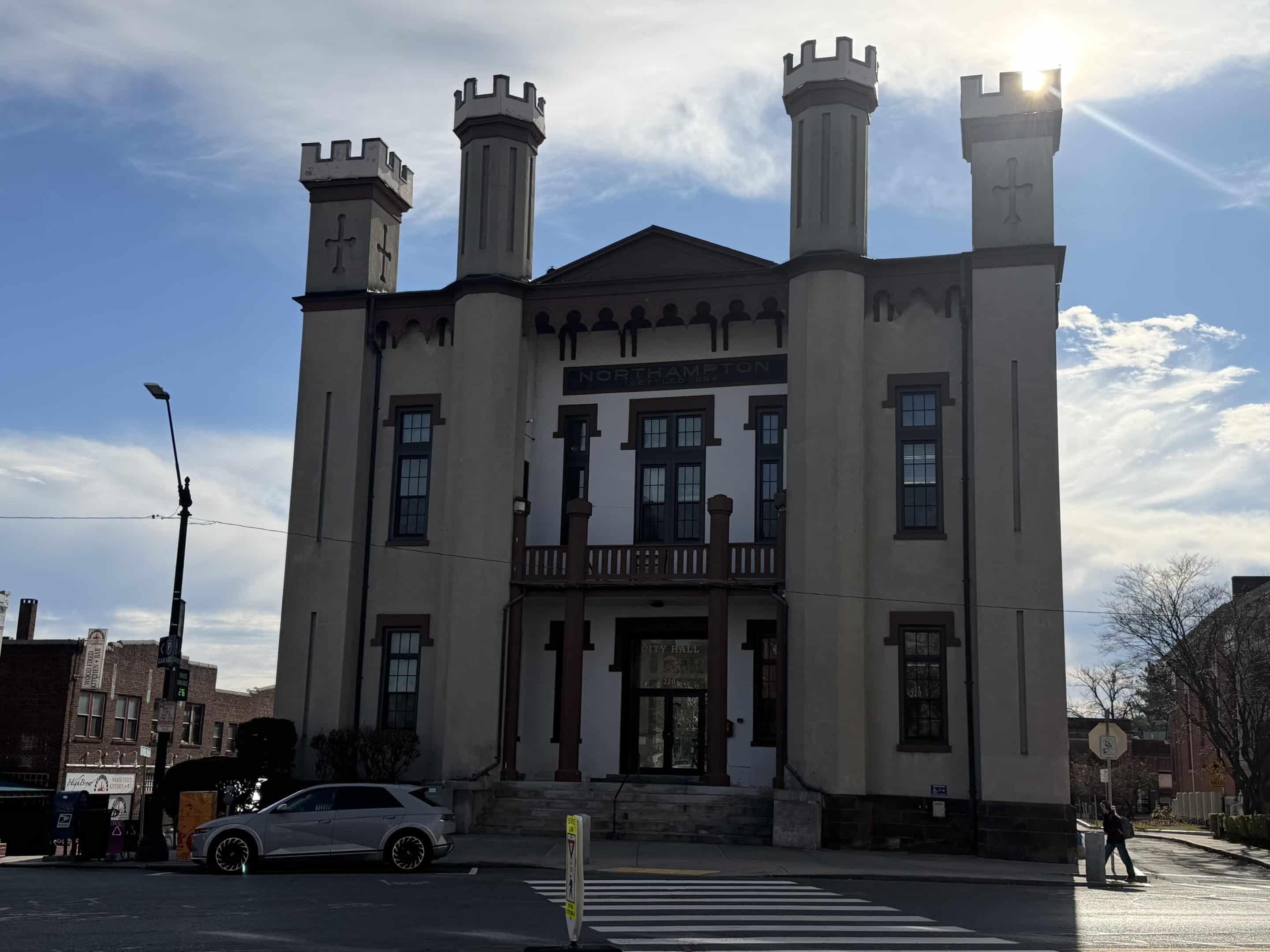
NORTHAMPTON — With the first round of fiscal year 2027 Community Preservation Act funding set to take place this fall, prospective applicants are invited to submit a one-page eligibility form by Monday, Aug. 24, to determine whether their project qualifies for CPA funding.
According to the city, full applications are due by Sept. 21.
The Community Preservation Act allows communities to create a local Community Preservation Fund to raise money through a surcharge of up to 3% of the real estate tax levy on real property for open space protection, historic preservation and the provision of affordable housing. The act also created a state matching fund to supplement local revenues collected.
Office of Planning and Sustainability Assistant Director Sarah LaValley told Reminder Publishing that since its adoption in 2005, Northampton has allocated CPA funds to more than 200 projects. These include projects focused on the preservation of thousands of acres of open spaces and agricultural land, the construction of more than 350 units of affordable housing, the creation of acres of community garden plots, miles of multi-use trails, new and upgraded recreational fields and facilities, and the restoration of more than 30 historic resources and structures.
LaValley added that 10% of total funding each year must be allocated to open space and recreation, historic preservation and affordable housing. The remainder can be allocated to any eligible project.
“Generally, the Community Preservation Act allows funding for activities in the following categories: The acquisition, preservation, rehabilitation and restoration of historic resources; the acquisition, creation and preservation of land for open space; the acquisition, creation, preservation, rehabilitation and restoration of land for recreational use; and the acquisition, creation, preservation and support of affordable housing,” LaValley explained. “The eligibility form step ensures that prospective projects are able to be funded because of the complexities of the CPA law; not all great projects are able to be funded through CPA.”
LaValley shared examples of previous CPA funded projects in the city across the different categories. In open space, CPA funds were used as the local match for a state Local Acquisitions for Natural Diversity grant in 2026 for the permanent protection of 72 acres in the Mineral Hills. Regarding historic preservation, funding supported the repair and restoration of the Parsons House at Historic Northampton.
“One of the oldest structures in Northampton, the house provides evidence of how generations of farm families in Northampton and New England lived, and the project will preserve the structure for generations to come,” LaValley added.
In the realm of recreation, recent CPA funding has supported the Maines Field Resiliency Study. LaValley said this project is the beginning of a community-driven effort to reimagine Maines Field, which has been damaged by Mill River flooding several times.
“By combining local knowledge, public input, and technical expertise, Parks and Recreation is exploring ways to make the field more flood-resistant, protect the park’s natural beauty and enhance the spaces people use and love,” LaValley said.
And in affordable housing, CPA funds were recently awarded to Franklin-Hampshire Habitat for Humanity to create a permanently affordable homeownership unit on Westhampton Road. Since CPA was established in Northampton, CPA funds have contributed to the creation of 22 permanently affordable Habitat for Humanity homeownership units.
LaValley added that, as seen through some of these examples, CPA funds are a critical component of large and small projects, filling gaps, demonstrating local support for grants or other funding sources or funding the entirety of a project when other funds are not available.
“The Conservation fund, for example, provides the Conservation Commission with funding for surveys, legal research and other soft costs related to open space acquisition that has enabled the protection of many acres that would not otherwise have been possible,” she added.
According to the city’s website, interested applicants are encouraged to contact city staff to discuss their potential project in detail, review the city’s Community Preservation Plan, and consider the CPC’s Decision Guidelines and information on previously funded projects. Prospective applicants are encouraged to contact staff to talk about projects, and applicants considering a project on city property or other property not belonging to the applicant must be submitted by or with the support of the property owner.
For more information on all things CPA, visit northamptonma.gov/1048/Community-Preservation-Committee.