
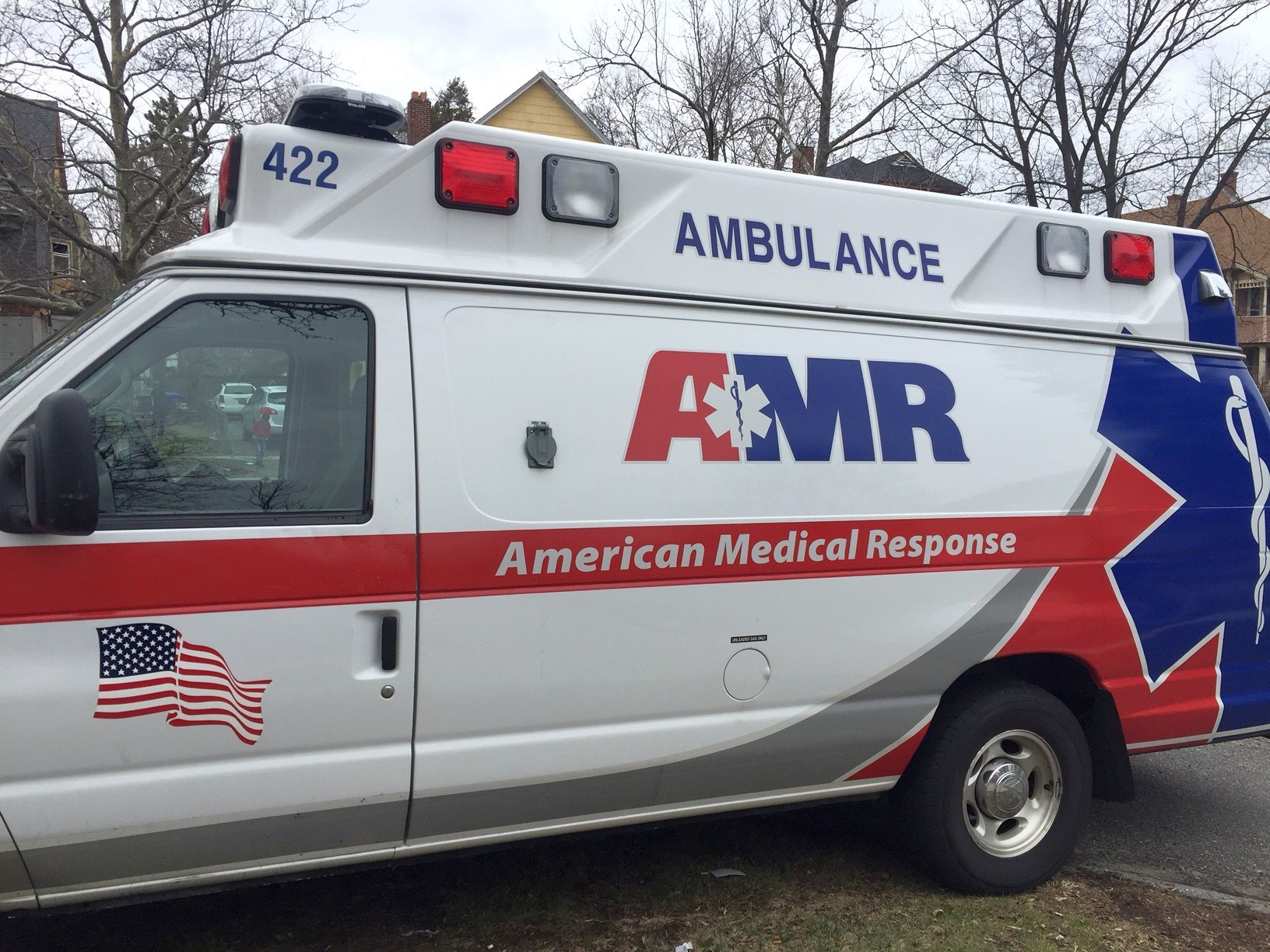
An AMR ambulance in Springfield.
Republican file photo
The holidays are a time of celebration, but rather than parties with family and friends, some people find themselves in the emergency department with cardiac distress.
“‘Holiday Heart’ or ‘Holiday Heart Syndrome’ is a term we use to describe new and worsening heart arrhythmia, especially atrial fibrillations.
That is certainly the most common arrhythmia I see,” said Dr. Kyle Gobeil, a cardiologist at Baystate Health in Springfield. Arrhythmias are irregular heartbeats, either too fast, too slow or otherwise abnormal.
“Alcohol binging, I would say, is the number one factor,” Gobeil said. “It’s a toxin to the heart.” People not only experience the direct effects of alcohol, but also dehydration, disrupted sleep, imbalanced electrolytes and increased stress hormones, all of which can affect the heart, he said.
Holiday Heart Syndrome is not limited to older people. Gobeil said, “We could see this in a young 30-year-old” after “a long night, maybe a night of drinking. We all want to celebrate. For some folks, that includes alcohol, but we should remember to enjoy ourselves in moderation.”
Kim D’Angelo, director of operations at American Medical Response Springfield, said her company also sees an uptick in ambulance calls for cardiac events around the holidays. Aside from drinking more alcohol, she said, people eat rich foods that are high in cholesterol and salt around the holidays. When combined with the stress many people experience at this time of year, the result is a cocktail for cardiac distress.
D’Angelo provided the following tips to help keep families safe and healthy:
Enjoy in moderation: Overeating and excess drinking can raise blood pressure and cholesterol, increasing the risk of heart complications.
Manage stress: Do not overextend yourself with travel or unrealistic holiday expectations. It’s great to see loved ones, but don’t strain yourself or risk injury from hanging decorations.
Seek care early: Do not delay medical attention if something feels off. By putting off going to the doctor’s office until after the holidays, you risk waiting until an issue is too late to be treated.
D’Angelo also urged people to know the signs of cardiac arrest. These include shortness of breath, breaking out in a cold sweat, lightheadedness, nausea or discomfort in the chest or upper body, such as the arms, stomach, shoulders, neck or jaw. While all these symptoms can occur in people of any gender, cardiac symptoms in women also commonly present as extreme fatigue, heartburn or indigestion.
No matter the circumstances, Gobeil said, “If people experience arrhythmias, reach out to a health professional. We’re more than capable of treating it here at Baystate.”
If you think you may be experiencing a cardiac event, call 911 immediately.

- Sarah Heinonen
- Sarah Heinonen
- Sarah Heinonen
- Sarah Heinonen
- Sarah Heinonen
- Sarah Heinonen
- Sarah Heinonen
- Sarah Heinonen
- Sarah Heinonen
- Sarah Heinonen
- Sarah Heinonen
- Sarah Heinonen
- Sarah Heinonen
- Sarah Heinonen
- Sarah Heinonen
- Sarah Heinonen
- Sarah Heinonen
- Sarah Heinonen
- Sarah Heinonen
- Sarah Heinonen
- Sarah Heinonen
- Sarah Heinonen
- Sarah Heinonen
- Sarah Heinonen
- Sarah Heinonen
- Sarah Heinonen
- Sarah Heinonen
- Sarah Heinonen
- Sarah Heinonen
- Sarah Heinonen
- Sarah Heinonen
- Sarah Heinonen
- Sarah Heinonen
- Sarah Heinonen
- Sarah Heinonen
- Sarah Heinonen
- Sarah Heinonen
- Sarah Heinonen
- Sarah Heinonen
- Sarah Heinonen
- Sarah Heinonen
- Sarah Heinonen
- Sarah Heinonen
- Sarah Heinonen
- Sarah Heinonen
- Sarah Heinonen
- Sarah Heinonen
- Sarah Heinonen
- Sarah Heinonen
- Sarah Heinonen
- Sarah Heinonen
- Sarah Heinonen
- Sarah Heinonen
- Sarah Heinonen
- Sarah Heinonen
- Sarah Heinonen
- Sarah Heinonen
- Sarah Heinonen
- Sarah Heinonen
- Sarah Heinonen
- Sarah Heinonen
- Sarah Heinonen
- Sarah Heinonen
- Sarah Heinonen
- Sarah Heinonen
- Sarah Heinonen
- Sarah Heinonen
- Sarah Heinonen
- Sarah Heinonen
- Sarah Heinonen
- Sarah Heinonen
- Sarah Heinonen
- Sarah Heinonen
- Sarah Heinonen
- Sarah Heinonen
- Sarah Heinonen
- Sarah Heinonen
- Sarah Heinonen
- Sarah Heinonen
- Sarah Heinonen
- Sarah Heinonen
- Sarah Heinonen
- Sarah Heinonen
- Sarah Heinonen
- Sarah Heinonen
- Sarah Heinonen
- Sarah Heinonen
- Sarah Heinonen
- Sarah Heinonen
- Sarah Heinonen
- Sarah Heinonen
- Sarah Heinonen
- Sarah Heinonen
- Sarah Heinonen
- Sarah Heinonen
- Sarah Heinonen
- Sarah Heinonen
- Sarah Heinonen
- Sarah Heinonen
- Sarah Heinonen
- Sarah Heinonen
- Sarah Heinonen
- Sarah Heinonen
- Sarah Heinonen
- Sarah Heinonen
- Sarah Heinonen
- Sarah Heinonen
- Sarah Heinonen
- Sarah Heinonen
- Sarah Heinonen
- Sarah Heinonen
- Sarah Heinonen
- Sarah Heinonen
- Sarah Heinonen
- Sarah Heinonen
- Sarah Heinonen
- Sarah Heinonen
- Sarah Heinonen
- Sarah Heinonen
- Sarah Heinonen
- Sarah Heinonen
- Sarah Heinonen
- Sarah Heinonen
- Sarah Heinonen
- Sarah Heinonen
- Sarah Heinonen
- Sarah Heinonen
- Sarah Heinonen
- Sarah Heinonen
- Sarah Heinonen
- Sarah Heinonen
- Sarah Heinonen
- Sarah Heinonen
- Sarah Heinonen
- Sarah Heinonen
- Sarah Heinonen
- Sarah Heinonen
- Sarah Heinonen
- Sarah Heinonen
- Sarah Heinonen
- Sarah Heinonen
- Sarah Heinonen
- Sarah Heinonen
- Sarah Heinonen
- Sarah Heinonen
- Sarah Heinonen
- Sarah Heinonen
- Sarah Heinonen
- Sarah Heinonen
- Sarah Heinonen
- Sarah Heinonen
- Sarah Heinonen
- Sarah Heinonen
- Sarah Heinonen